
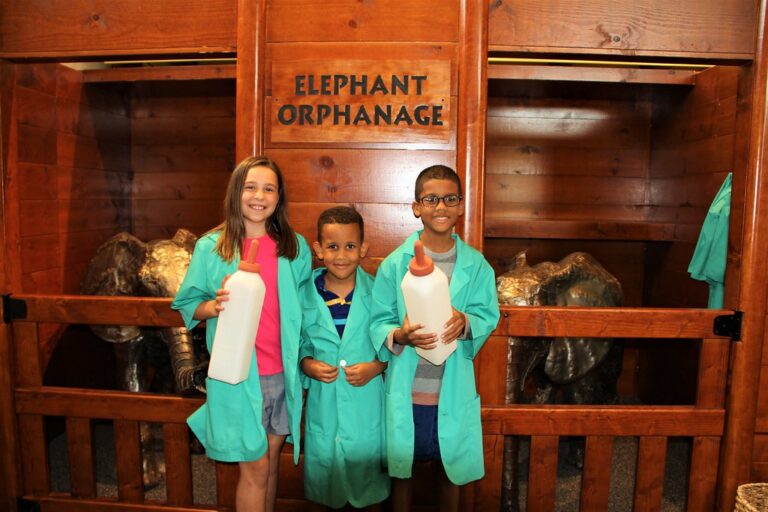
Seven years ago, The Magic House waved goodbye to Kenya’s Kids, the first exhibit created for the Museum’s brand-new World Traveler Gallery. Since then, we’ve celebrated a colorful variety of cultures in every corner of the globe, from Argentina to Italy to India. Now, with all those stamps on our passports, we’ve decided it’s time to pay another visit to the nation that started us on our adventure.
On January 31, The Magic House welcomed our visitors back to Kenya with the return of the Kenya’s Kids exhibit, inviting them not only to explore a different culture, but to try on a new perspective – one we hope they’ll be able to bring home with them.
Kenya is home to more than 40 officially recognized tribal groups. One of these groups is called the Maasai, and although they’re far from the largest ethnic group in Kenya, aspects of their culture have become globally synonymous with Kenyan heritage and identity.
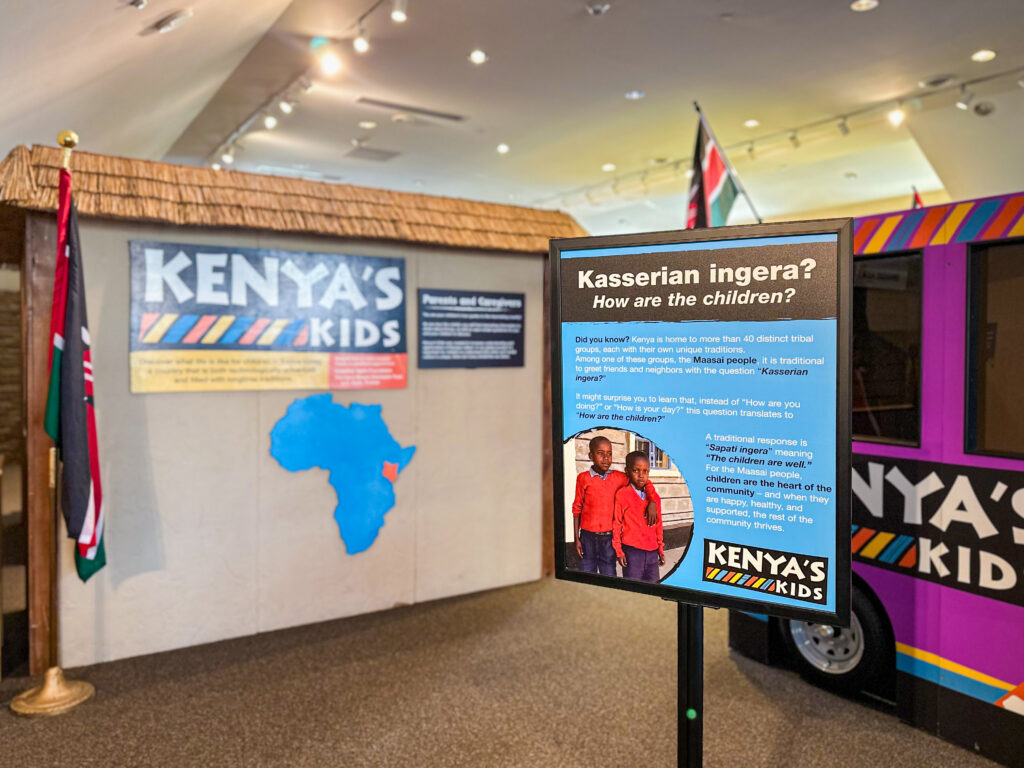
A long-held tradition among the Maasai people is to greet one another with a simple question:
“Kasserian ingera?”
What’s your first guess as to how that question might translate? If you grew up in the U.S., it’s likely that you made the leap to something like “How are you doing?” or “How is your day?” It might surprise you to learn that it instead means “How are the children?”
There’s a valuable perspective to consider here, beyond the admirable ideal of compassion and concern for children. The traditional response – “sapati ingera,” meaning “the children are well” – can help us see the whole picture.
What can we – that is, the American grown-ups – learn from a greeting so unlike the ones we’re used to, one rooted in a social structure unfamiliar to so many of us? On the most basic level, we might consider how different our own culture would look if each member of a community played an active role in ensuring the wellbeing of the community’s young people.
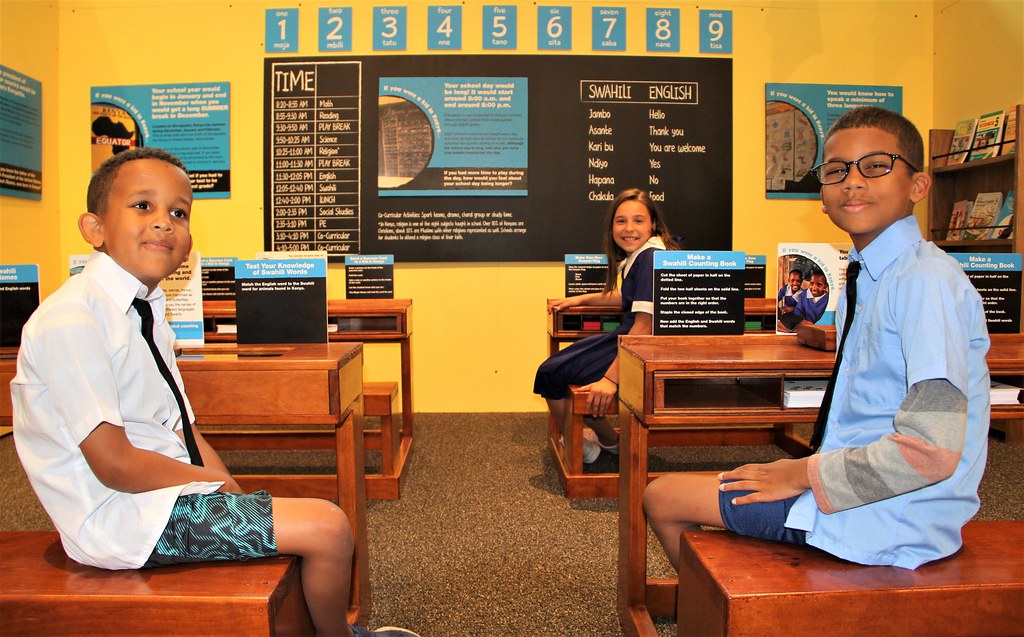
In placing children at the heart of the community, the Maasai recognize the uniqueness of childhood as something to be held sacred, a vital life stage to be treated with the utmost care and reverence by the adults who help to guide it.
That acknowledgement is an invitation to celebrate the limitless potential of a child’s mind. After all, there is no other time throughout the course of our lives where we are more curious and eager to learn, more willing to ask questions, more capable of imagining, creating, and seeing new possibilities.
So as parents, educators and caregivers, it might be a good idea to try the Maasai approach.
Look to the children in your life with respect and humble curiosity. Serve as a source of knowledge, comfort, and safety, but be willing to take a step back and let them guide you. Remember that the best way to ensure a bright future for them is to create an environment in the present where they feel safe, happy, healthy, and fulfilled – free to dream the big dreams only a child can conjure.

Like the Maasai community, The Magic House takes its shape around the idea that every child deserves that kind of space. That’s why we’re not only committed to making our Museum a space where every child feels welcome, but to making the Magic House experience one every child can access. Through continued dedication to our Access for All commitment, which last year enabled us to share our exhibits and programs with over 90,000 children with the fewest opportunities and greatest needs, we’ll keep creating opportunities for all children, regardless of background or circumstance, to experience the unique joy, wonder, and magic we have to share.
Access for All is as community-driven as it is community-focused; the program is 100% funded through grants and donations from community partners. This is our collective effort to keep the question “how are the children?” at the forefront of our minds, and to cultivate confidence that the answer will always be a positive one. In bringing back Kenya’s Kids for another visit, we hope to invite each of our guests to think about their own place in the fabric of our community and the part they can play in helping to ensure that the children are well.